
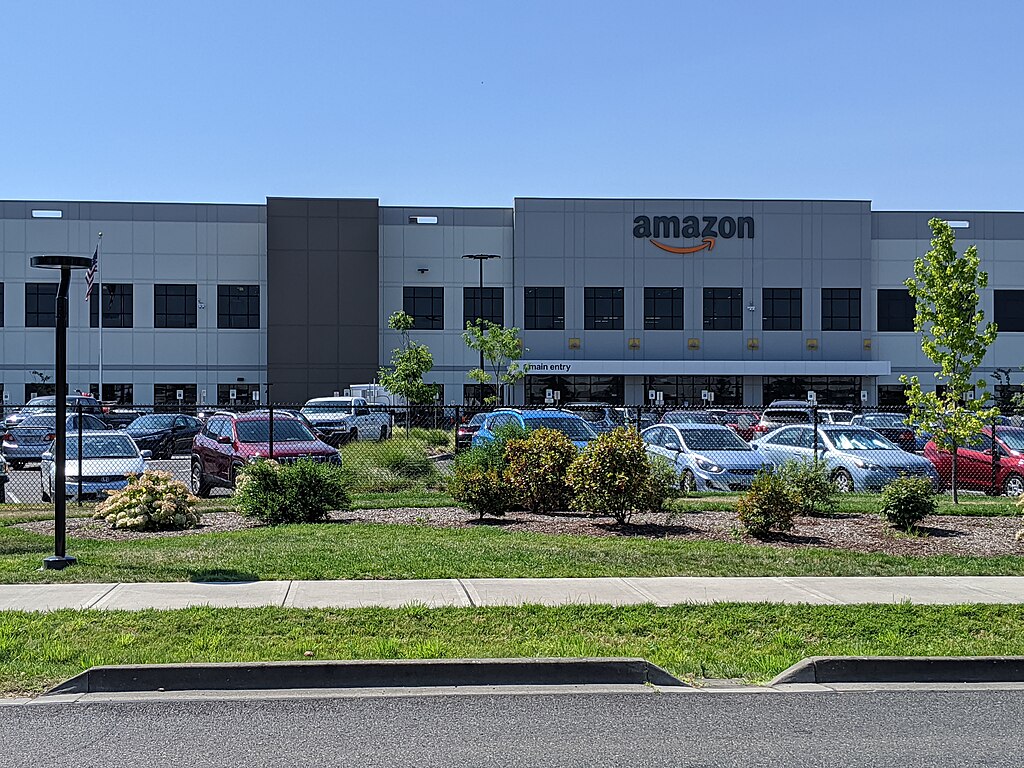
So, you’re thinking about joining the ranks of the Amazonians? Smart move! An Amazon application provides a promising future. This company is more than just the place you get your last-minute birthday gifts and binge-watch your favorite shows. It’s a global powerhouse of innovation, logistics, and cloud computing, with a mind-boggling number of employees—over 1.5 million worldwide! It’s a place where you can start in an entry-level role and build a long-term career.
But navigating the hiring process for a company of this size can feel like exploring the actual Amazon rainforest without a map. Where do you start? What are they looking for? And what’s the secret password to get in? (Spoiler: there isn’t one, but there are some fantastic tips).
Fear not, aspiring innovator, builder, or packer! This is your all-in-one, comprehensive guide to landing a job at Amazon. We’ll cover everything from its garage-startup history to the nitty-gritty of background checks and the amazing benefits you can expect. So grab a coffee, get comfortable, and let’s decode the Amazon application process together.
A Quick Trip Down Memory Lane: The Amazon Story
Before we dive into resumes and interviews, let’s appreciate the behemoth we’re talking about. Amazon’s story is a modern business legend.
It all started in 1994 in a garage in Bellevue, Washington. A guy named Jeff Bezos, a sharp-witted Princeton grad, left his cushy Wall Street job to chase a wild idea: selling books online. He saw the explosive growth of the internet and decided to bet big. He named his company “Amazon” after the world’s largest river, a fitting name for what he envisioned as “Earth’s biggest bookstore.”
The first book ever sold on Amazon.com was Fluid Concepts and Creative Analogies: Computer Models of the Fundamental Mechanisms of Thought. A mouthful, right? But it was the start of something huge. The company went public in 1997, and from there, it was a rocket ship of growth.
Amazon quickly expanded beyond books, selling music, videos, and eventually… well, everything. The “A to Z” smile in its logo isn’t just clever branding; it’s a statement of purpose. Along the way, it launched game-changers like:
- Amazon Web Services (AWS) in 2006: The cloud computing backbone that powers a huge chunk of the internet (including companies like Netflix and Reddit). It started as an internal project and is now the company’s most profitable division.
- The Kindle in 2007: Revolutionized how we read books.
- Prime in 2005: Changed our expectations for shipping forever. Two-day shipping seemed like magic then, and now they’re pushing the boundaries with same-day delivery.
- Alexa and the Echo in 2014: Brought an AI assistant into millions of homes.
Today, Amazon is a sprawling empire of e-commerce, logistics, cloud computing, artificial intelligence, streaming entertainment, and even brick-and-mortar grocery stores (thanks to its acquisition of Whole Foods). Working there means being part of this massive, ever-evolving ecosystem.
What’s it Really Like to Work at Amazon?
Ask any Amazonian about the culture, and you’ll hear two words almost immediately: Leadership Principles. These aren’t just fluffy corporate phrases on a poster; they are the DNA of the company. Amazon uses them in everything from daily decision-making to, you guessed it, hiring.
There are 16 Leadership Principles in total, but some of the most famous ones are:
- Customer Obsession: This is number one for a reason. Amazon strives to be “Earth’s most customer-centric company.” The process starts with the customer and works backward.
- Ownership: Employees are expected to act like owners. They think long-term and don’t sacrifice long-term value for short-term results.
- Invent and Simplify: Amazon expects its people to be innovators and to find simple solutions to complex problems.
- Are Right, A Lot: This doesn’t mean being a know-it-all. It means having strong judgment and good instincts, backed by data.
- Bias for Action: In the fast-paced world of tech and logistics, speed matters. Amazon values calculated risk-taking.
- Frugality: “Accomplish more with less.” This principle is why you won’t see lavish, over-the-top perks like some other tech giants. The focus is on what benefits the customer.
The work environment is famously fast-paced and data-driven. Meetings often start with a silent reading of a six-page narrative memo instead of a PowerPoint presentation. The idea is to foster deep understanding and critical thinking. It can be intense, demanding, and incredibly rewarding. If you love solving hard problems and seeing the direct impact of your work on millions of people, it might be the perfect place for you.
The Jobs: Finding Your Fit at Amazon
Amazon’s workforce is incredibly diverse, with roles spanning hundreds of categories. Broadly, we can split them into two main buckets: hourly roles that power the operations and salaried roles that drive the innovation.
Hourly Heroes: Powering the Operations
These are the backbone of Amazon’s e-commerce machine. They are the folks who ensure your package gets from a click to your doorstep. The demand for these roles is almost constant, especially during peak seasons like Prime Day and the holidays.
Common Hourly Roles:
- Warehouse & Fulfillment Center Associate: This is the most common role. You’ll be working inside a massive fulfillment center, where you could be stowing items, picking customer orders, packing boxes, or shipping them out. It’s a physically active job that requires you to be on your feet.
- Sortation Center Associate: Similar to a fulfillment center role, but you’re working in a facility where packages are sorted by region and delivery route before being sent to the final delivery station.
- Delivery Station Associate: This is the last stop before a package gets to your door. Associates here help prepare and load packages onto the iconic blue Amazon delivery vans.
- Amazon Delivery Driver (DSP Program): While many drivers work for independent Delivery Service Partners (DSPs), Amazon also directly hires drivers in some areas for its Amazon Flex program (gig work) or as regular employees. You’re on the road, navigating routes, and being the final, smiling face of an Amazon purchase.
- Whole Foods Market Shopper: You’ll be the one walking the aisles of Whole Foods, picking and packing grocery orders for Prime Now customers.
Amazon Starting Hourly Wages:
Amazon has made a commitment to a minimum starting wage of at least $15 per hour in the United States, and in mid-2023, announced that the average starting pay for front-line employees in the U.S. had risen to over $20.50 per hour. However, the exact starting wage can vary significantly based on your location, the specific role, and shift differentials (you might get paid more for working overnight, for example).
- Typical Range: Expect a starting wage between $17 and $28 per hour, depending on the local cost of living and job competition.
You can always find the exact pay for a specific job listed in the job description on the Amazon jobs portal.
Salaried Superstars: Innovating the Future
These are the corporate, tech, and managerial roles that build, market, and manage the vast Amazon ecosystem. These positions are highly competitive and often require specialized degrees and experience.
Common Salaried Careers:
- Software Development Engineer (SDE): The builders. They write the code that powers everything from the Amazon.com shopping cart to the massive infrastructure of AWS. There are different levels, from SDE I (entry-level) to Principal SDE (gurus).
- Program Manager (PM) & Product Manager (PM-T): The strategists. PMs oversee complex projects and initiatives, ensuring they launch on time and on budget. Product Managers (often technical, or PM-T) define the vision and roadmap for a specific product or feature.
- Operations Manager: The leaders of the fulfillment network. They manage large teams of hourly associates, oversee warehouse processes, and are responsible for hitting ambitious safety, quality, and performance targets.
- Marketing Manager: They craft the campaigns that tell the world about Amazon’s products and services, from Prime Video shows to new Echo devices.
- Financial Analyst: They crunch the numbers, analyze business performance, and help guide financial strategy for a company with revenues in the hundreds of billions.
- HR Business Partner: They work with business leaders on all things people-related, from talent management to employee relations.
- Solutions Architect (AWS): These are the cloud experts. They work with AWS customers to help them design and build their applications on the AWS platform.
Amazon Starting Salaries:
Salaries for these roles vary wildly based on experience, location, and the specific team. Amazon compensation is typically broken down into three parts: a base salary, a sign-on bonus (often paid out over two years), and Restricted Stock Units (RSUs) that vest over a period of years. This structure is designed to encourage long-term thinking.
- Entry-Level (e.g., SDE I, recent college grad): Total compensation can range from $115,000 to $170,000+ per year, including base, bonus, and stock.
- Mid-Career (e.g., SDE II, Program Manager with 5+ years experience): Total compensation can range from $160,000 to $250,000+ per year.
- Senior/Principal Roles: These can easily push into the $300,000 to $500,000+ range and beyond.
Again, these are just estimates. Websites like Levels.fyi offer crowdsourced data that can give you a more specific idea based on role and location.
Your Mission, Should You Choose to Accept It: How to Apply
Ready to throw your hat in the ring? Here’s the game plan.
Step 1: Find Your Opening
Your quest begins at Amazon’s official jobs portal: amazon.jobs. Don’t bother with other job boards; the source is always the most up-to-date. The site is powerful. You can filter by job category, location (including remote/virtual options), and keywords.
Step 2: Create a Profile
You’ll need to create an Amazon jobs profile. This is where you’ll upload your resume and input your personal information. Take your time with this. Ensure everything is accurate and professional. This profile will be your hub for all your applications.
Step 3: Tailor Your Resume (This is CRITICAL!)
Do not, under any circumstances, just blast the same generic resume to every opening. This is where you need to be strategic.
- Keywords are King: Read the job description carefully. Identify the key skills, qualifications, and technologies mentioned. Make sure those keywords appear naturally in your resume (assuming you have those skills, of course!). Many companies use an Applicant Tracking System (ATS) to scan resumes first, and a lack of keywords can get you filtered out before a human ever sees your application.
- Quantify Your Accomplishments: Don’t just say what you did; say how well you did it. Instead of “Managed a project,” try “Led a cross-functional team of 5 to launch a new feature, resulting in a 15% increase in user engagement.” Use data and metrics whenever possible.
- Align with Leadership Principles: This is the secret sauce. For every accomplishment on your resume, think about which Leadership Principle it demonstrates. Did you take on a task no one else wanted? That’s Ownership. Did you find a clever way to save money or time? That’s Frugality and Invent and Simplify. Frame your bullet points to reflect this mindset.
Step 4: Submit and Confirm
Once your resume is polished and tailored, complete the application. Some roles, particularly for hourly positions, might have you complete an initial online assessment right away. For others, you’ll simply submit and wait. You should receive an automated email confirming that your application was received.
The Waiting Game & The Interview Gauntlet
You’ve applied. Now what? The timeline can vary greatly.
The Application Timeframe
- For Hourly Roles: The process is often much faster. Because of high demand, you might hear back within a few days to a week. The process is often streamlined into an “Amazon Hiring Event,” where you might apply, get an offer, and complete pre-hire appointments (like a background check and drug test) all in a very short period.
- For Salaried Roles: Patience is a virtue. It can take anywhere from one week to over a month to hear anything back after applying. The recruiting teams are dealing with thousands of applications. If you haven’t heard back after a few weeks, it’s generally safe to assume they’ve moved forward with other candidates.
The Interview Process
If your resume catches their eye, you’ll be invited to the interview process. This is where you really need to shine.
1. The Online Assessment (OA): For many tech and some corporate roles, the first step is an online assessment. This could involve coding challenges (for SDEs), work style simulations, or logic and reasoning problems.
2. The Phone Screen: If you pass the OA, you’ll likely have a 30-60 minute phone call with a recruiter or a hiring manager. This is a preliminary check to discuss your background, your interest in the role, and answer some basic behavioral questions.
3. The Loop: This is the main event. The “Loop” is a series of interviews, typically conducted back-to-back on the same day. You’ll meet with 4 to 6 people for about 45-60 minutes each. Your interviewers will be a mix of people from the team you’re applying to, including the hiring manager, potential peers, and a “Bar Raiser.”
The Bar Raiser is a specially trained interviewer from another part of Amazon. Their job is to be an objective third party, ensuring that every new hire is “raising the bar” for talent at the company. They have veto power in the hiring decision.
How to Ace the Loop: The STAR Method
Amazon’s interviews are heavily focused on behavioral questions. They will ask you things like, “Tell me about a time you disagreed with your manager,” or “Describe a situation where you had to make a decision with incomplete data.”
The only way to answer these questions is with the STAR method:
- S – Situation: Briefly describe the context. What was the project? Who was involved?
- T – Task: What was your specific responsibility in that situation? What was the goal?
- A – Action: Describe the steps you took to address the situation. Use “I,” not “we.” What was your thought process? What actions did you perform?
- R – Result: What was the outcome? Quantify it if you can. What did you learn from the experience?
Come prepared with 10-15 solid stories from your past experience that showcase different Leadership Principles. Practice telling them using the STAR method until it’s second nature. Have a story for a failure, a success, a conflict, a tight deadline, a moment of innovation, etc.
The Nitty-Gritty: Rules of the Road
Let’s cover some of the most frequently asked logistical questions.
Minimum Age to Get Hired
For almost all jobs at Amazon, you must be at least 18 years old.
Do They Drug Test You?
This is a common question, and the policy has evolved.
- For roles regulated by the Department of Transportation (DOT), like truck drivers who operate commercial vehicles, Amazon does conduct pre-employment and random drug screenings, including for marijuana (THC).
- For most other positions (including warehouse and corporate roles), Amazon has largely stopped screening for marijuana in its pre-employment drug tests. The pre-employment test for other substances (like cocaine, opiates, etc.) and impairment checks on the job still exist. They maintain a zero-tolerance policy for impairment at work.
- Policy Nuance: Always check the specific job description and local laws, as policies can vary.
Background Checks
Yes, Amazon conducts pre-employment background checks on all candidates who receive a job offer. The check is typically conducted by a third-party company and looks at your criminal history for the past 7 years. A criminal record does not necessarily disqualify you from employment; decisions are made on a case-by-case basis, considering the nature of the offense and the requirements of the job.
The Perks of Being an Amazonian: Benefits & Beyond
Amazon’s compensation is competitive, but its benefits package is where it truly stands out, especially for hourly employees who often get access to perks usually reserved for salaried staff.
- Health and Wellness: Comprehensive medical, dental, and vision insurance for you and your eligible family members. Coverage often starts on day one, which is a huge plus.
- Financial Security: A 401(k) plan with a company match to help you save for retirement. You also get company-paid life and disability insurance.
- Paid Time Off (PTO): You’ll accrue vacation time, paid sick time, and paid holidays.
- Parental Leave: This is a standout benefit. Amazon offers up to 20 weeks of paid leave for birthing parents and 6 weeks for non-birthing parents. They also have a “Leave Share” program that allows you to share your paid leave with a spouse or partner.
- Career Choice Program: This is arguably one of the best employee benefits in any industry. For hourly associates, Amazon will pre-pay up to 95% of tuition and fees for certificates and diplomas in high-demand fields like commercial driving, IT, nursing, and mechanics—even if that career path takes you outside of Amazon.
- Employee Discounts: You get an annual discount on products sold and shipped by Amazon.com.
- Mental Health and Support: Access to free confidential counseling, resources, and referrals 24/7 through their Employee Assistance Program (EAP).
It’s Day 1
One of Jeff Bezos’s most famous philosophies is that it’s always “Day 1.” This means maintaining the energy, curiosity, and agility of a startup, no matter how big the company gets. It’s a mindset of constant invention and a refusal to settle.
Applying for a job at Amazon can be a marathon, not a sprint. It requires preparation, persistence, and a deep understanding of what makes the company tick. But if you are customer-obsessed, love to build, and want to be part of a team that is shaping the future, it’s a marathon worth running.
So, polish that resume, practice your STAR stories, and get ready to raise the bar. Your Day 1 at Amazon could be just around the corner. Good luck!