

The modern economy runs on boxes—millions of them moving through vast warehouse networks every single day. Behind this logistics revolution are countless of people working warehouse jobs who pick, pack, sort, and ship the products that show up at our doorsteps within days or even hours of ordering. While warehouse work might not seem glamorous from the outside, it represents one of the most accessible and potentially rewarding entry points into the American job market today.
From Amazon’s sprawling fulfillment centers to UPS’s distribution hubs, warehouse jobs offer something increasingly rare in today’s economy: genuine opportunities for people without college degrees to build stable, well-paying careers. These positions provide immediate employment, competitive benefits, and clear pathways for advancement that can lead to management roles, specialized technical positions, or even entrepreneurial opportunities.
The Warehouse Job Landscape: More Than Just Moving Boxes
Understanding Modern Warehouse Operations
Today’s warehouses bear little resemblance to the dusty storage facilities of decades past. Modern fulfillment centers are sophisticated operations that blend cutting-edge technology with human expertise. Amazon fulfillment centers, for instance, use robots to transport shelving units to human workers, while advanced software optimizes every aspect of the picking and packing process.
This technological integration hasn’t eliminated jobs—it’s created new types of positions that require different skills. While basic picker packer jobs still exist, many warehouse roles now involve operating complex machinery, managing digital systems, and coordinating with automated processes. This evolution has elevated warehouse work from purely physical labor to skilled technical positions.
Major Players in the Warehouse Employment Market
The warehouse job market is dominated by several key players, each offering unique opportunities and benefits:
Amazon leads the pack with over 750,000 warehouse employees across hundreds of fulfillment centers. The company’s aggressive expansion plans mean constant hiring, with starting wages of $15-18 per hour and comprehensive benefits packages including health insurance from day one.
UPS operates one of the world’s largest logistics networks, employing over 400,000 people globally. Their warehouse positions often lead to driving opportunities, and the company is famous for promoting from within—many executives started in warehouse roles.
FedEx offers similar opportunities across their ground and express networks, with particularly strong growth in e-commerce fulfillment. Their warehouse positions often provide excellent training in logistics and supply chain management.
Walmart operates massive distribution centers that supply their retail network, offering stable employment with opportunities to transition into retail management or specialized logistics roles.
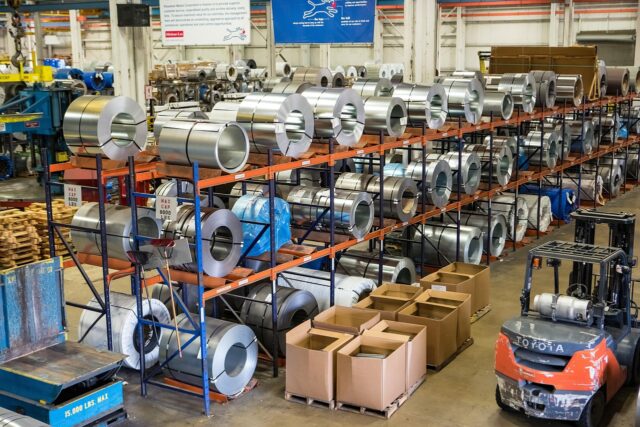
Entry Level Warehouse Jobs: Your Gateway to Opportunity
No Experience Required: Breaking Down Barriers
One of the most attractive aspects of entry level warehouse jobs is their accessibility. Unlike many industries that require specific education or experience, warehouse employers actively hire workers with no experience logistics background. This open-door policy reflects the industry’s commitment to training workers on the job rather than requiring pre-existing skills.
Most positions require only a high school diploma or equivalent, and some employers will even work with candidates who don’t meet this requirement. The focus is on reliability, willingness to learn, and basic physical capability rather than extensive educational credentials.
Common Entry-Level Positions
Warehouse Associate/General Laborer: These versatile positions involve various tasks including receiving, sorting, and organizing inventory. Workers learn multiple aspects of warehouse operations, making this an excellent foundation role.
Picker: Responsible for locating and collecting items from warehouse shelving based on customer orders. Modern picking often involves using handheld scanners and following optimized routes through the facility.
Packer: Takes picked items and packages them for shipment, ensuring proper protection and including necessary documentation. This role requires attention to detail and efficiency.
Loader/Unloader: Handles incoming and outgoing shipments, moving products on and off trucks and organizing them within the warehouse. This position provides excellent exposure to the supply chain process.
Inventory Clerk: Manages stock levels, conducts cycle counts, and maintains accurate records of warehouse contents. This role often serves as a stepping stone to more analytical positions.
The Hiring Process: What to Expect
Most warehouse hiring processes are designed for speed and accessibility. Applications are typically submitted online, followed by a brief interview that focuses more on availability and reliability than technical knowledge. Many employers use group interviews or information sessions to handle high-volume hiring efficiently.
Drug screening and background checks are standard, though many employers are becoming more flexible about minor infractions, especially given labor market conditions. Physical assessments might include basic lifting tests or demonstrations of relevant abilities.
The timeline from application to start date is often remarkably short—sometimes as little as a week—reflecting the industry’s need for workers and streamlined onboarding processes.
Inside Amazon Fulfillment Centers: The E-Commerce Giant’s Approach
The Amazon Employment Experience
Working at an Amazon fulfillment center provides a front-row seat to one of the world’s most sophisticated logistics operations. These facilities process millions of items daily, requiring precise coordination between human workers and advanced robotics systems.
Amazon’s approach to warehouse employment emphasizes efficiency and career development. The company invests heavily in employee training, offering programs that can lead to technical certifications, management positions, or even funding for education in high-demand fields through their Career Choice program.
Career Advancement at Amazon
Amazon’s promotion-from-within culture creates genuine opportunities for advancement. Many fulfillment center managers started as entry-level associates, and the company actively identifies and develops high-potential employees. The typical progression might look like:
- Tier 1 Associate (entry level): Basic warehouse tasks, learning operations
- Tier 3 Associate: Specialized roles requiring additional training
- Area Manager: Supervising teams and managing specific warehouse sections
- Operations Manager: Overseeing multiple areas and contributing to facility strategy
Additionally, Amazon offers lateral movement opportunities into IT, human resources, safety, and quality control roles within their fulfillment network.
Technology Integration and Skill Development
Amazon’s use of advanced technology creates opportunities for workers to develop valuable technical skills. Associates work with handheld scanners, warehouse management systems, and increasingly sophisticated automation. Understanding these systems can lead to specialized technical roles or provide transferable skills for other industries.
The company also provides extensive safety training and certification programs, including forklift training and other equipment operation credentials that have value throughout the logistics industry.
Picker Packer Jobs: The Heart of Fulfillment Operations
Understanding the Picker Role
Picker packer jobs represent the core of modern fulfillment operations, and understanding these positions provides insight into the entire warehouse ecosystem. Pickers navigate warehouse floors using handheld devices that guide them to specific items, which they then collect for customer orders.
Modern picking systems are highly optimized, using algorithms to create efficient routes and minimize travel time. Workers might pick items for multiple orders simultaneously, requiring organizational skills and attention to detail. The role combines physical activity with technology use, making it an engaging entry point for many workers.
The Evolution of Packing Operations
Packing has evolved from simple box-stuffing to a skilled operation requiring knowledge of different packaging materials, shipping requirements, and damage prevention techniques. Packers must understand which items can be shipped together, how to properly protect fragile goods, and how to optimize package dimensions for shipping efficiency.
Many facilities now use automated packing systems that measure and create custom-sized boxes, but human oversight remains crucial for quality control and handling special cases. This blend of automation and human judgment creates opportunities for workers to develop problem-solving skills and technical expertise.
Performance Metrics and Career Growth
Picker packer positions typically involve performance metrics such as items picked per hour or packing accuracy rates. While these metrics ensure operational efficiency, they also provide clear feedback for workers seeking to improve their performance and advance their careers.
High-performing pickers and packers often become trainers for new employees, quality control specialists, or team leads. These advancement opportunities demonstrate how entry-level positions can lead to supervisory and specialized roles within the warehouse environment.
Building Skills Through No Experience Logistics Programs
Comprehensive On-the-Job Training
The logistics industry’s approach to no experience logistics hiring reflects a broader commitment to developing workers through comprehensive training programs. These initiatives recognize that effective warehouse workers require specific skills that are best learned through hands-on experience rather than classroom instruction.
Training programs typically begin with safety orientation, covering everything from proper lifting techniques to emergency procedures. Workers then receive specific training for their assigned roles, learning to use relevant equipment and software systems. This systematic approach ensures that even complete newcomers can quickly become productive team members.
Transferable Skills Development
Warehouse work develops numerous skills that transfer to other industries and career paths. These include:
Technical Proficiency: Operating scanners, warehouse management systems, and various types of equipment Problem-Solving: Handling exceptions, resolving discrepancies, and optimizing processes Time Management: Meeting performance targets while maintaining quality standards Teamwork: Coordinating with colleagues in fast-paced environments Communication: Reporting issues, training others, and interfacing with supervisors
These capabilities form a strong foundation for advancement within logistics or transition to other fields such as manufacturing, retail, or even technology roles.
Industry Certifications and Credentials
Many warehouse employers provide opportunities to earn valuable industry certifications. Forklift training is among the most common, but workers can also pursue credentials in:
- OSHA Safety Certifications: Demonstrating knowledge of workplace safety standards
- Lean Six Sigma: Process improvement methodologies highly valued across industries
- Supply Chain Management: Understanding of logistics principles and practices
- Equipment Operation: Specialized machinery and systems certifications
These credentials enhance employability both within the current organization and in the broader job market.
Forklift Training and Equipment Operation Opportunities
The Value of Forklift Certification
Forklift training represents one of the most valuable skill-building opportunities available in warehouse environments. Forklift operators typically earn higher wages than general warehouse workers and enjoy greater job security due to their specialized skills.
Most employers provide forklift training free of charge to qualified employees, recognizing that developing these skills benefits both the worker and the organization. The certification process includes classroom instruction on safety regulations and hands-on training with experienced operators.
Beyond Basic Equipment Operation
Modern warehouses use increasingly sophisticated equipment that requires specialized training. This includes:
Reach Trucks: High-lift equipment for accessing upper-level storage Order Pickers: Elevated platforms for picking items at various heights Automated Guided Vehicles: Working alongside robotic systems Radio Frequency Systems: Advanced inventory management technology
Learning to operate this equipment positions workers for higher-paying roles and provides valuable technical experience that’s applicable across the logistics industry.
Safety Leadership and Equipment Training Roles
Experienced equipment operators often become safety trainers or equipment maintenance specialists, roles that command higher wages and offer regular day shifts. These positions combine technical knowledge with leadership responsibilities, representing natural career progression for skilled warehouse workers.
Benefits and Compensation: Beyond the Hourly Wage
Competitive Starting Wages
Warehouse wages have increased significantly in recent years, driven by labor market competition and recognition of workers’ value. Entry-level positions now typically start between $15-20 per hour, with many employers offering sign-on bonuses and attendance incentives.
Major employers like Amazon, UPS, and FedEx often provide above-market wages to attract and retain workers. These companies understand that competitive compensation reduces turnover and improves operational efficiency.
Comprehensive Benefits Packages
Most major warehouse employers offer benefits packages that rival those of traditional white-collar jobs:
Health Insurance: Many employers provide health coverage from the first day of employment Retirement Plans: 401(k) programs with company matching contributions Paid Time Off: Vacation days, sick leave, and personal time Educational Benefits: Tuition assistance and skills training programs Employee Discounts: Significant savings on company products and services
These benefits can add substantial value to the total compensation package, often worth several thousand dollars annually.
Overtime and Advancement Opportunities
Warehouse operations often require overtime during peak periods, providing opportunities for significantly increased earnings. Workers can often earn time-and-a-half pay for hours beyond 40 per week, with some earning substantial additional income during busy seasons.
Performance-based advancement means that dedicated workers can see regular wage increases and promotion opportunities. Many warehouse workers report annual income growth of 10-20% in their first few years, far exceeding typical wage growth in other industries.
The Physical Reality: What to Expect on the Job
Physical Demands and Workplace Conditions
Warehouse work involves physical activity that many people find rewarding but should understand before beginning. Typical activities include walking several miles per shift, lifting packages up to 50 pounds, and working in environments that may be warm in summer or cool in winter.
However, modern warehouses prioritize worker safety and comfort. Climate control, ergonomic equipment, and safety protocols significantly improve working conditions compared to warehouses of previous generations. Many facilities also provide fitness programs and wellness initiatives to help workers maintain their health.
Shift Flexibility and Work-Life Balance
Warehouse operations typically run 24/7, creating opportunities for workers seeking non-traditional schedules. Options might include:
Day Shifts: Traditional business hours, often preferred by workers with families Evening Shifts: Afternoon to late night, sometimes offering shift differentials Night Shifts: Overnight hours, typically paying premium rates Flexible Scheduling: Part-time or variable hours to accommodate other commitments
This flexibility makes warehouse work attractive to students, parents, and others who need non-traditional employment arrangements.
Safety Culture and Support Systems
Modern warehouse operations emphasize safety as a core value, with comprehensive training programs and strict adherence to OSHA standards. Workers receive extensive training on proper lifting techniques, equipment operation, and emergency procedures.
Most facilities have on-site medical personnel and comprehensive workers’ compensation programs. Safety committees often include employee representatives, ensuring that worker concerns are heard and addressed promptly.
Career Pathways: From Floor to Corner Office
Management Track Opportunities
Warehouse environments offer clear pathways to management positions for motivated employees. The progression typically involves:
Team Lead: Supervising small groups of workers while maintaining some hands-on duties Supervisor: Managing entire shifts or departments with full administrative responsibilities Area Manager: Overseeing multiple departments and contributing to facility planning General Manager: Running entire facilities with full operational responsibility
Many warehouse managers report that their ground-level experience provides invaluable insight that helps them make better decisions and relate effectively to their teams.
Specialized Career Paths
Beyond traditional management, warehouse experience opens doors to specialized roles:
Quality Control: Ensuring products meet standards and investigating defects Safety Coordination: Developing and implementing safety programs Training and Development: Educating new employees and developing training curricula Process Improvement: Analyzing operations and implementing efficiency enhancements Inventory Management: Overseeing stock levels and procurement processes
These specialized roles often offer excellent work-life balance and opportunities for further career development.
Entrepreneurial Opportunities
Warehouse experience provides excellent preparation for entrepreneurial ventures in logistics and related fields. Many successful business owners started their careers in warehouse operations, gaining insights into:
- Supply chain management and optimization
- Customer service and quality control
- Employee management and training
- Cost control and operational efficiency
This knowledge base supports ventures ranging from independent logistics companies to e-commerce businesses and consulting services.
Industry Growth and Future Prospects
E-Commerce Driven Expansion
The continued growth of e-commerce ensures strong demand for warehouse workers for years to come. Online retail sales continue growing at double-digit rates, requiring constant expansion of fulfillment capacity and associated employment.
This growth extends beyond traditional retail to include grocery delivery, pharmaceutical distribution, and emerging sectors like direct-to-consumer manufacturing. Each of these areas creates new warehouse employment opportunities with varying skill requirements and career prospects.
Technology Integration and Job Evolution
While automation handles some routine tasks, technology integration generally creates more sophisticated and higher-paying positions rather than eliminating jobs entirely. Workers who embrace technology training find themselves well-positioned for advancement and increased compensation.
Emerging technologies like artificial intelligence, advanced robotics, and data analytics are creating entirely new categories of warehouse positions that blend technical skills with operational knowledge. These roles offer excellent long-term career prospects for workers willing to continue learning.
Geographic Distribution and Accessibility
Warehouse jobs exist in virtually every metropolitan area, providing employment opportunities regardless of location. The distribution of these facilities near population centers means workers don’t need to relocate to access opportunities, and many facilities are accessible via public transportation.
This geographic accessibility makes warehouse work particularly valuable for communities with limited employment options, providing stable jobs with advancement potential close to where people live.
Making Your Decision: Is Warehouse Work Right for You?
Evaluating Personal Fit
Warehouse work suits people who enjoy active, hands-on employment with clear performance metrics and advancement opportunities. Ideal candidates typically possess:
- Reliability and strong attendance records
- Willingness to learn new technologies and processes
- Ability to work effectively in team environments
- Basic math and reading comprehension skills
- Physical capability for moderately demanding work
The industry’s emphasis on promoting from within means that long-term success depends more on dedication and performance than on educational background or previous experience.
Financial Considerations
For many people, warehouse employment provides better total compensation than other accessible career options. When evaluating opportunities, consider:
- Starting wage plus realistic overtime potential
- Value of benefits packages including health insurance
- Advancement opportunities and associated wage increases
- Educational benefits that could support further career development
- Job security and industry growth prospects
These factors often make warehouse positions financially superior to seemingly higher-status jobs in other industries.
Long-Term Career Planning
Successful warehouse workers typically approach their positions strategically, viewing initial roles as foundations for long-term career development. This might involve:
- Identifying specific advancement paths within current employers
- Pursuing relevant certifications and training opportunities
- Building relationships with supervisors and mentors
- Developing both technical and leadership skills
- Considering how warehouse experience might support future entrepreneurial goals
This strategic approach transforms what some might view as temporary employment into the foundation of a successful career.
Warehouse work represents one of today’s most accessible paths to stable, well-paying employment with genuine advancement potential. From Amazon fulfillment centers to UPS distribution hubs, these positions offer immediate opportunities for people ready to work hard and learn continuously. While the work involves physical demands and performance expectations, it also provides comprehensive training, competitive benefits, and clear pathways to supervisory and specialized roles.
The industry’s continued growth, driven by e-commerce expansion and evolving consumer expectations, ensures that warehouse employment will remain a viable career option for years to come. For people seeking to build stable careers without extensive educational requirements, warehouse work offers a proven pathway to financial security and professional growth.
Whether you’re entering the job market for the first time, changing careers, or looking for stable employment with advancement potential, warehouse operations deserve serious consideration. The combination of accessible entry requirements, comprehensive training, competitive compensation, and clear career progression makes these positions valuable stepping stones to long-term success in the modern economy.